June 29, 2026
Maintaining your vehicle's aesthetic and market value requires the right repair strategy. Paintless dent removal (PDR) has emerged as a premier, minimally invasive technique designed to eliminate minor dents without compromising the factory paint job. By leveraging specialized tools and metal memory, skilled technicians can restore a car's exterior to its original shape in a fraction of the time required by traditional methods. This comprehensive guide explores the principles and history of PDR, identifies the ideal situations and paint conditions for its application, and weighs its key benefits, like cost efficiency and resale value preservation, against its technical limitations.
Paintless Dent Removal Basics
Definition of PDR
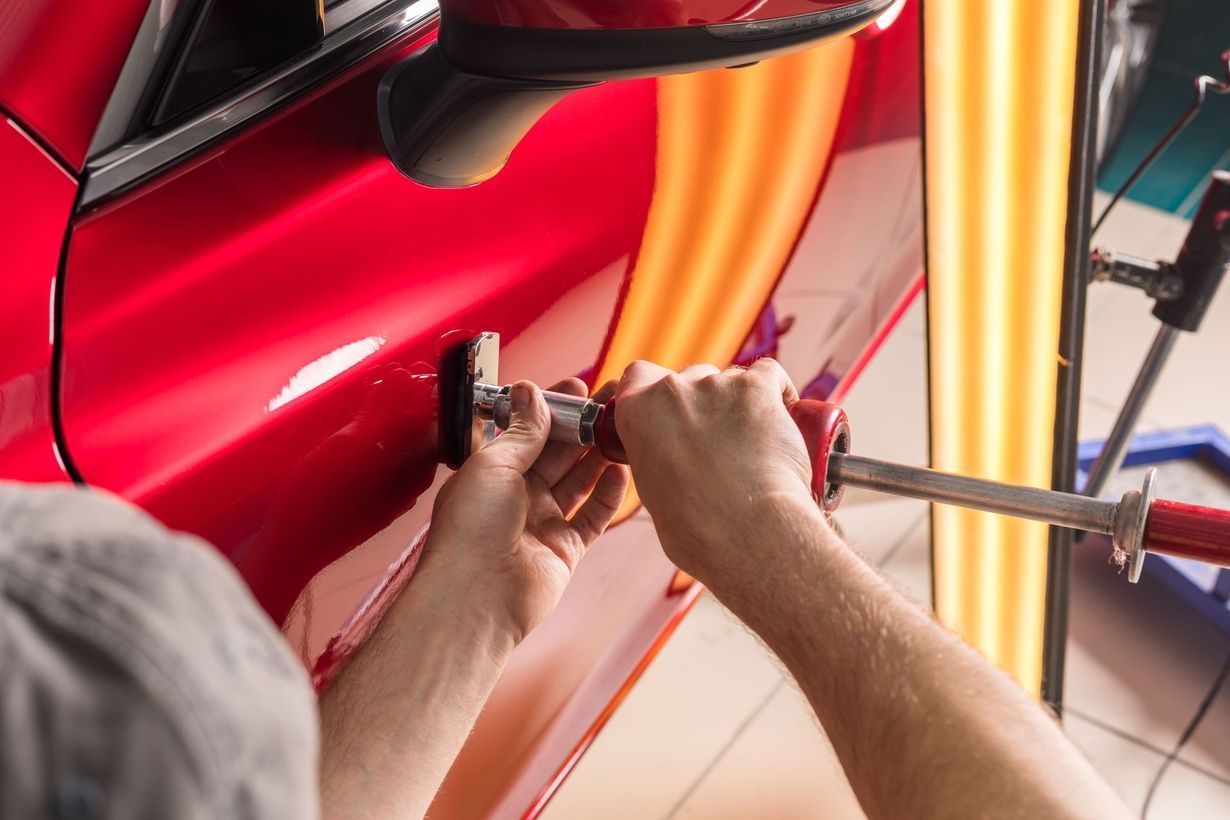
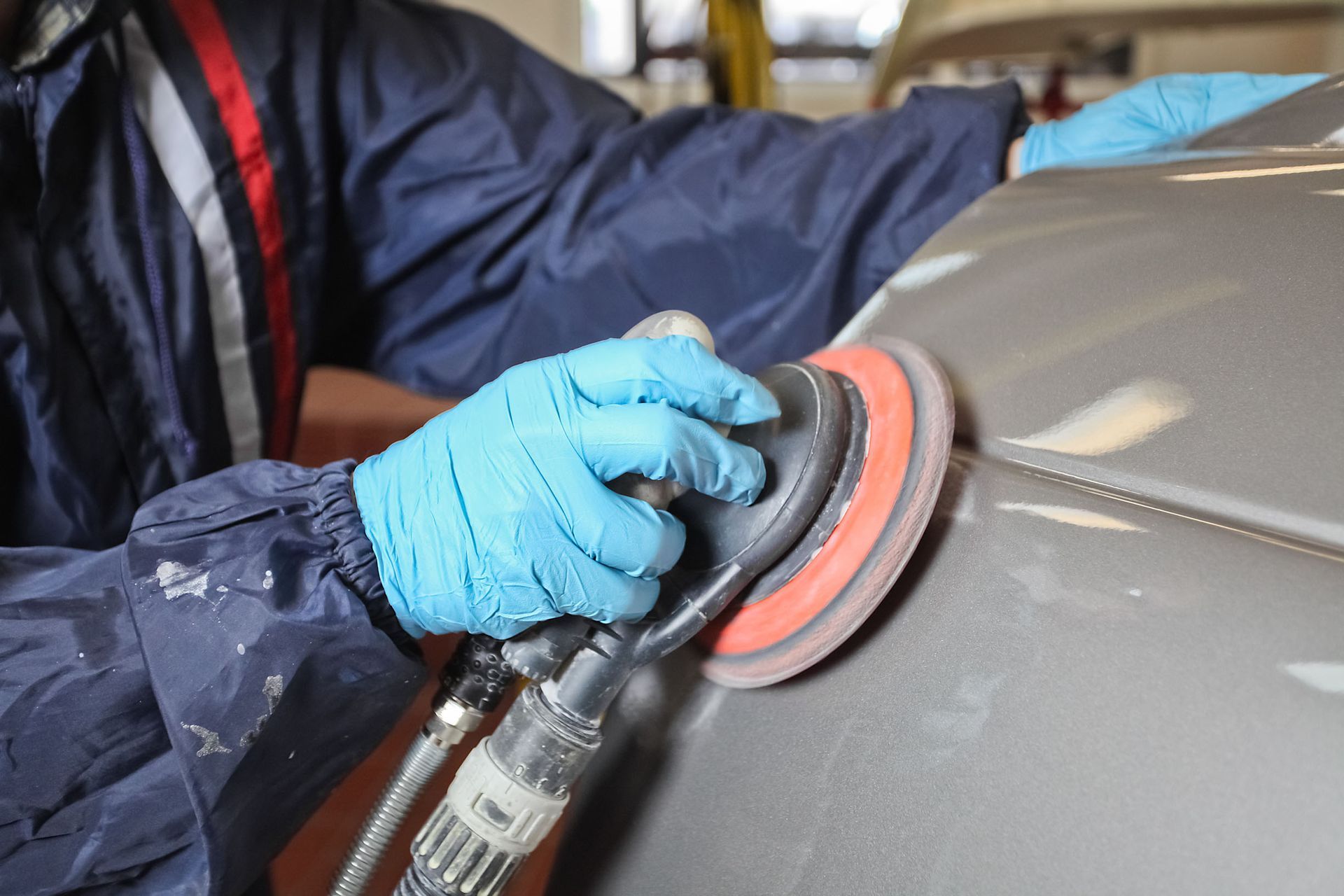
Paintless dent removal (PDR) is a car repair technique used to remove minor dents from vehicle body panels without affecting the original paint job. This method is particularly valuable as it preserves the car's original factory finish, maintaining the vehicle's worth. Unlike conventional repair strategies that involve sanding, body fillers, and repainting, PDR gently manipulates the metal back into shape. This makes PDR an appealing option for those seeking minimally invasive procedures on their vehicles. The technique is intricate and demands a high level of skill and precision from the technician.
The History and Evolution of PDR Techniques
Paintless dent removal has a rich history dating back to the late 20th century when car manufacturers sought efficient techniques for repairing aesthetic damage. Initially developed by automobile manufacturers in Europe, the method gained noteworthy traction in the U.S. over the decades. PDR evolved with technological advances, introducing modern tools and techniques that simplified the dent removal process. The gradual shift from traditional repair methods to PDR reflects an industry-wide push towards more environmentally conscious solutions. Today, PDR is a staple in the automotive repair industry, continuously evolving with innovations.
Key Principles of PDR
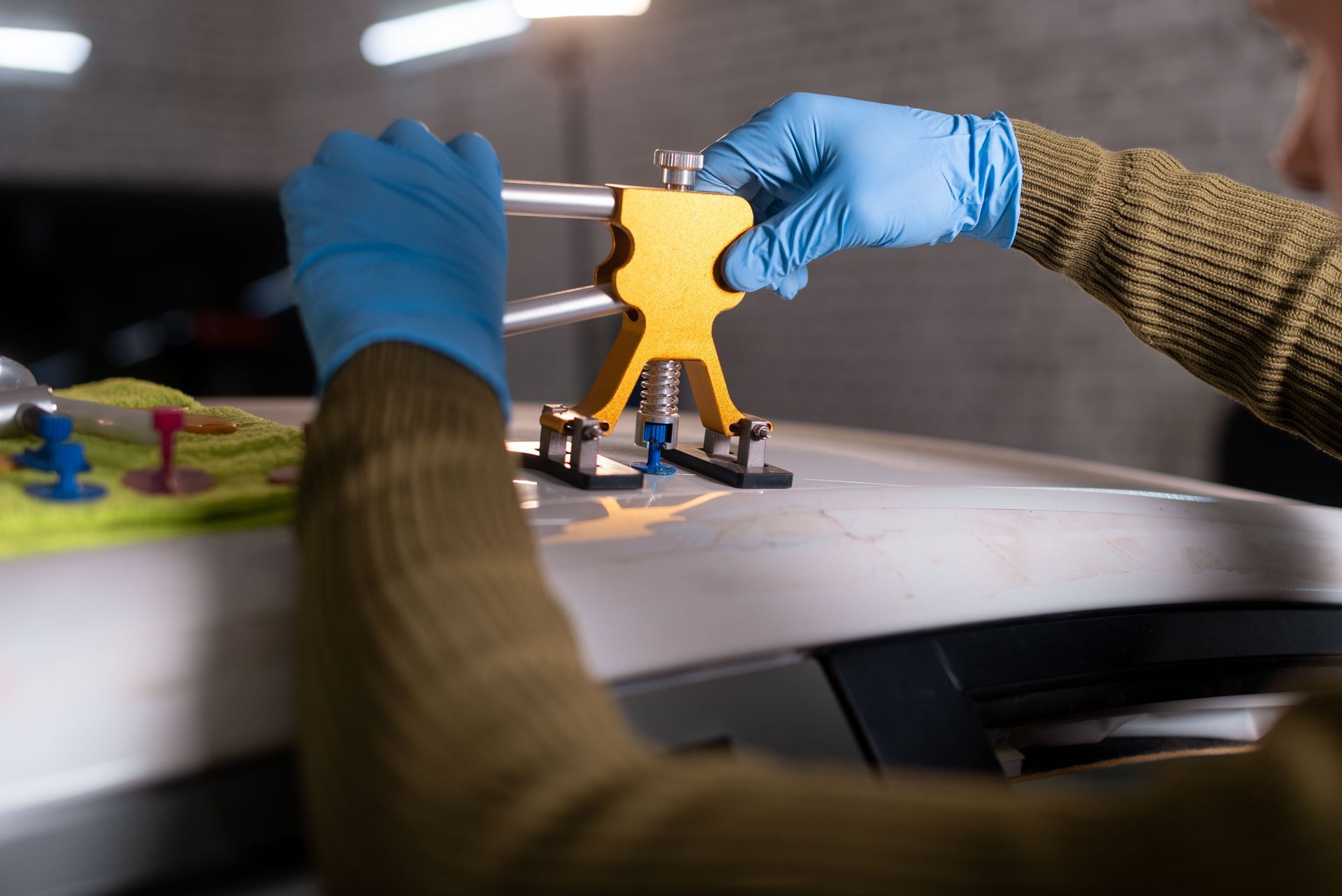
The principal mechanism of PDR lies in its ability to restore metal surfaces without the need for repainting. The concept relies on meticulously pushing or pulling the dent back to its natural state, utilizing specialized tools that access hard-to-reach areas. The success of PDR depends heavily on the technician's skill and the type of dent, as some shapes respond better to the technique than others. Each dent removal process involves a strategic approach where the underlying microcellular structure of the vehicle's skin is addressed. Mastery in PDR involves a keen understanding of metal memory and the careful application of pressure at precise points.
When to Consider Paintless Dent Removal
Ideal Situations for PDR
PDR is ideally suited for small to medium-sized dents where the paint remains intact. Such dents often result from hailstorms, minor collisions, or parking lot mishaps. Because the method avoids repainting, it's most effective when the vehicle's original paint surface is undamaged. According to Capital One, paintless dent repair can fix between 80% and 90% of typical dents, making it a highly efficient choice under suitable conditions. It's an excellent option for addressing cosmetic damage that doesn't compromise the vehicle's protective paint coating.
Type and Size of Dents
The feasibility of using PDR largely depends on the type and size of the dent. Sharp, deep dents with creased edges may not respond well to PDR. Conversely, shallow and round depressions that don't stretch the metal significantly are prime candidates. Size matters too; smaller damage areas are more likely to be effectively addressed with PDR. For vehicle owners assessing potential repairs, consulting with a PDR professional can offer clarity on whether this method is appropriate.
Paint Condition
The condition of the car's paint is crucial when considering PDR. If the dent has not cracked or damaged the paint, PDR remains the most effective and preferred method. Original factory paint tends to have the elasticity required to tolerate the PDR process. However, repainted surfaces might react differently, necessitating a thorough evaluation by a trained technician. Maintained paint integrity not only ensures the success of the repair but also preserves the aesthetic and financial value of the vehicle.
Benefits of Paintless Dent Removal
Quick and Convenient Repairs
The time efficiency of PDR cannot be overstated; repairs that might take days with conventional methods can often be completed in mere hours. This reduction in downtime is a critical advantage for individuals who rely on their vehicles for daily transportation. Quick turnarounds also benefit auto dealerships and rental companies, minimizing the time a vehicle remains out of commission. Given the rapid assessment and repair processes typical of PDR, many car owners and businesses are opting for this faster solution. The convenience it offers is a testament to its growing demand and acceptance in the automotive repair sector.
Vehicle's Original Paint Preserved
One of the most lauded benefits of PDR is its ability to preserve a car's factory paint job. This aspect is crucial for maintaining the vehicle's aesthetic quality and, consequently, its market value. Traditional repair techniques often involve repainting, which can lead to color mismatches and an altered vehicle appearance. Preserving the original paint ensures that no aftermarket paint jobs compromise the vehicle's appearance. This preservation is key for car enthusiasts and collectors who wish to retain the authentic look and integrity of their vehicles.
Enhanced Vehicle Resale Value
The impacts of PDR on maintaining and enhancing vehicle resale value are notable. Repairs that maintain the original paint contribute to a vehicle's allure and scarcity, potentially increasing its worth to potential buyers. When vehicles undergo traditional repairs, inconsistencies can arise in appearance, which could deter prospective purchasers. PDR eliminates concerns related to re-painting and aesthetics, providing potential buyers with assurance in the integrity of the vehicle's exterior. This inherent advantage makes PDR a favorable option for owners planning to sell or trade their vehicles in the future.
Limitations and Challenges of Paintless Dent Removal
Types of Dents Unsuitable for PDR
While PDR is effective for a wide range of dents, it does have its limitations. Dents that have caused significant stretching of the metal or those that feature sharp creases are generally not suitable for PDR. Paint cracking or peeling also diminish the method's effectiveness, as PDR is designed to operate on surfaces where the paint remains intact. Furthermore, areas with heavy reinforcing bars or near edges and openings may be less accessible for PDR techniques. An assessment by a skilled technician is crucial to determine the appropriateness of PDR for any particular dent.
The Need for Skilled Technicians
The effective application of PDR heavily relies on the technician's skill and experience. Certified PDR professionals understand the nuances of each dent, utilizing their expertise to gauge necessary force and technique. Skilled technicians can discern underlying issues that elude untrained individuals, adjusting their strategies to suit specific needs. Consequently, the demand for expertly trained PDR professionals is high, with their finesse distinguishing successful dent removal from substandard results. Continuous training and certification aid technicians in maintaining cutting-edge skills in this evolving field.
Paintless dent removal offers an efficient, value-preserving solution for minor vehicle damage. While its success depends on dent type, paint integrity, and technician skill, PDR remains a superior alternative to traditional bodywork. Ultimately, consulting a certified professional ensures your car retains both its flawless factory finish and its long-term resale value. To learn more about our services like paintless dent removal, contact us at Babylon Body Shop today.