April 20, 2026
Collisions can result in a wide range of damage to vehicles, from minor dents to significant structural issues. Understanding the types of auto body repairs required after an accident helps vehicle owners make informed decisions and ensures proper restoration. Professional auto body repairs restore vehicles to their original condition while maintaining safety and functionality. According to IBISWorld, the average car body repair shop has at least three employees, reflecting the need for skilled technicians who can handle diverse repair tasks efficiently. Engaging qualified professionals ensures that repairs are thorough, accurate, and long-lasting.
Addressing Dents and Dings
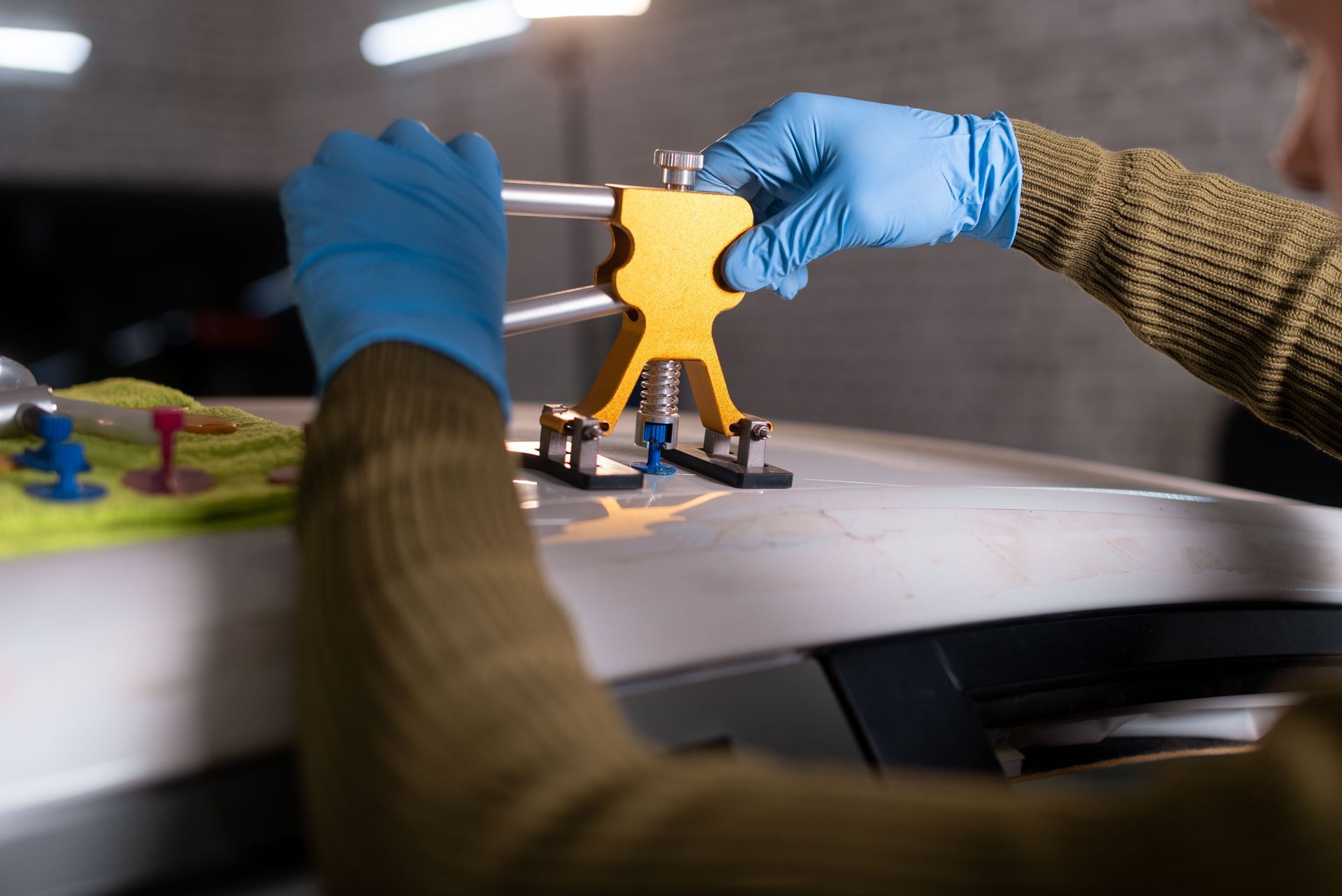
Dents and dings are among the most common issues after minor collisions or parking lot accidents. While some dents may seem purely cosmetic, untreated damage can compromise paint integrity and lead to rust or corrosion. Professional auto body repairs involve careful assessment, precision tools, and sometimes paintless dent repair techniques to restore the vehicle’s surface without affecting the original finish. Experienced technicians ensure that the repaired areas blend seamlessly with the surrounding panels, maintaining both appearance and structural integrity.
Repairing Scratches and Paint Damage
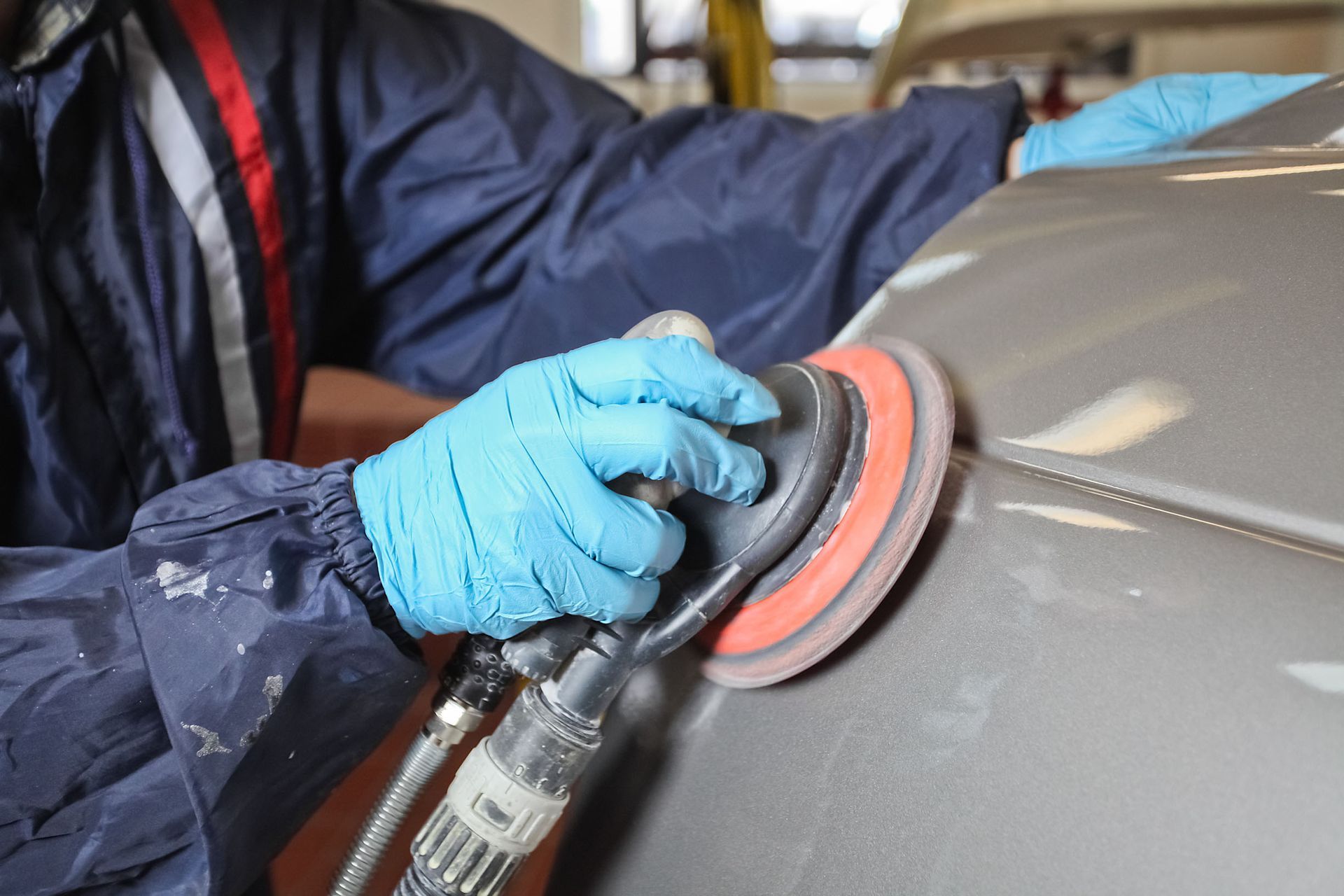
Scratches and paint damage frequently occur during collisions, whether from contact with another vehicle or road debris. Left untreated, paint damage can worsen over time and increase the risk of rust. Skilled auto body repairs include sanding, priming, and repainting affected areas to match the factory color perfectly. Advanced paint-matching technologies allow technicians to replicate the original finish, providing a smooth, uniform appearance. Proper paint repair not only restores aesthetics but also protects the underlying metal from environmental damage.
Replacing or Repairing Bumpers
Bumpers absorb impact during collisions and often sustain cracks, dents, or deformation. Repairing or replacing damaged bumpers is essential for both safety and visual appeal. Professional auto body repairs involve removing the damaged bumper, assessing underlying support structures, and installing a new or repaired component. Technicians also ensure proper alignment and secure mounting to maintain vehicle safety features, such as airbags and sensors. Investing in professional bumper repair ensures that the vehicle functions as intended in future incidents.
Restoring Fenders and Side Panels
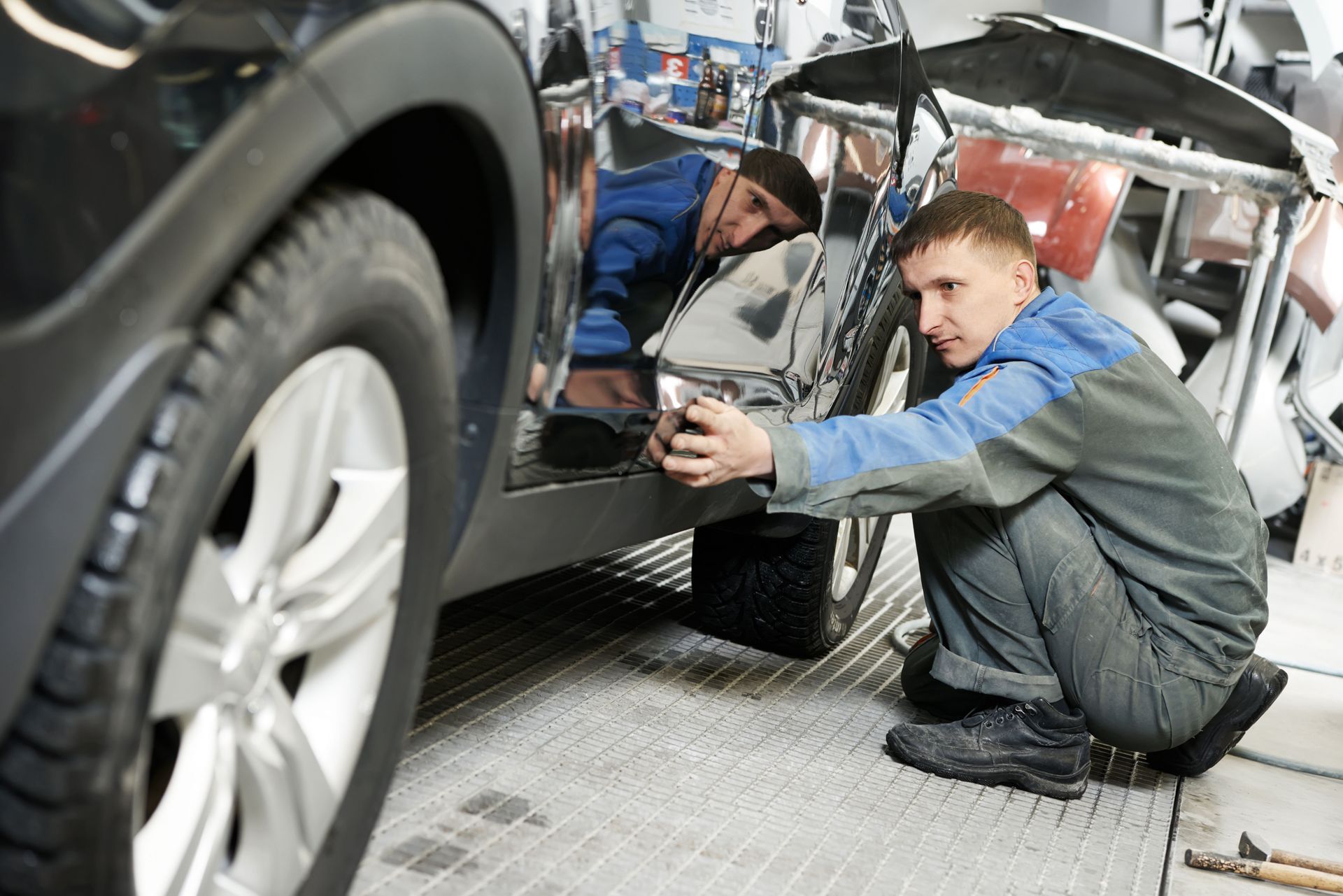
Fenders and side panels often bear the brunt of side-impact collisions or scraping against obstacles. Damage can range from minor cosmetic dents to severe deformation affecting vehicle alignment. Expert auto body repairs involve straightening metal, replacing panels if necessary, and repainting to match the original finish. Restoring these components improves both appearance and aerodynamic performance. Proper repair also protects critical internal parts, such as wheel wells and suspension components, from further damage.
Fixing Hood and Trunk Damage
The hood and trunk are frequently impacted in rear-end or frontal collisions. Damage to these areas can impair opening, closing, or locking mechanisms, creating safety and security concerns. Professional auto body repairs address structural alignment, dent removal, and paint restoration. Technicians may use hydraulic tools or panel replacement to ensure proper fit and operation. Accurate repair of the hood and trunk preserves vehicle functionality and maintains the original design integrity.
Correcting Frame and Structural Damage
Severe collisions may result in frame or structural damage, which can compromise vehicle safety and drivability. Professional auto body repairs begin with a thorough inspection using laser measuring systems to identify misalignments. Structural repairs often require hydraulic frame straightening or panel replacement to restore original specifications. Skilled technicians ensure that all repairs comply with manufacturer guidelines, maintaining the vehicle’s crashworthiness and overall performance. Addressing frame issues promptly prevents long-term safety risks.
Restoring Suspension and Alignment
Even minor collisions can affect a vehicle’s suspension and alignment, leading to uneven tire wear, handling issues, or reduced ride comfort. Auto body repairs frequently include suspension inspection, alignment adjustments, and replacement of damaged components such as control arms, struts, or tie rods. Proper suspension repair ensures that the vehicle drives safely and smoothly, reducing stress on other components. Skilled technicians use specialized equipment to achieve precise alignment, restoring original handling characteristics.
Repairing Headlights and Taillights
Collisions often damage headlights, taillights, or signal lights, affecting visibility and road safety. Professional auto body repairs involve replacing broken lenses, bulbs, and sometimes the entire light assembly. Technicians ensure proper electrical connections and alignment, restoring optimal illumination. Functional lighting is critical for safe driving, particularly at night or in poor weather conditions, making timely repair essential for both compliance and safety.
Addressing Windshield and Window Damage
Glass damage is common after accidents and can range from minor chips to shattered windshields or side windows. Professional auto body repairs include full windshield replacement or precision chip repair. Technicians use manufacturer-approved adhesives and installation techniques to maintain structural integrity and ensure proper sealing. High-quality glass repair is crucial for occupant safety, especially since windshields contribute to roof support in rollover scenarios.
Repairing Doors and Hinges
Collision damage to doors can cause misalignment, difficulty in opening or closing, or compromised locking mechanisms. Professional auto body repairs address structural bending, panel replacement, and hinge or latch repair. Accurate door restoration preserves the vehicle’s appearance, weatherproofing, and safety features, including side-impact protection. Ensuring proper alignment also prevents long-term issues with window operation and sealing.
Fixing Roof and Pillar Damage
Accidents such as rollovers or overhead impacts can damage the roof or supporting pillars of a vehicle. Professional auto body repairs involve assessing structural integrity, replacing or reinforcing beams, and refinishing surfaces to match the vehicle. Skilled technicians use precision tools and manufacturer specifications to restore the original strength and alignment of these critical areas. Repairing roof and pillar damage is vital for occupant safety and long-term vehicle durability.
Evaluating Mechanical Component Damage
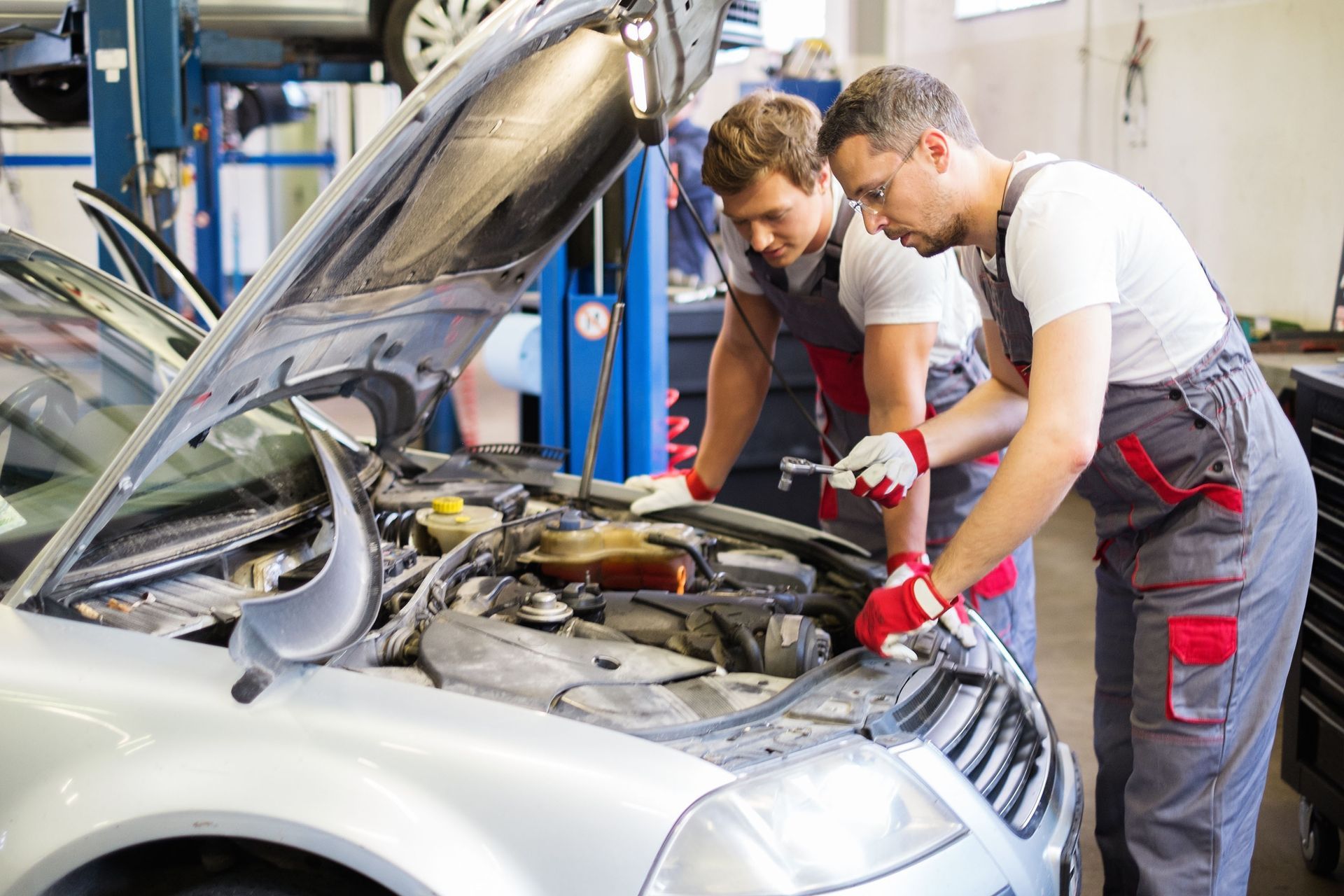
Collisions can also affect mechanical components beneath the exterior, including radiators, cooling systems, or engine mounts. Professional auto body repairs often include a thorough inspection of these components to ensure proper function. Technicians repair or replace damaged parts and test systems to prevent future operational issues. Addressing mechanical damage alongside cosmetic repairs ensures the vehicle is safe, reliable, and fully restored to pre-accident condition.
Prioritizing Timely and Efficient Repairs
Prompt completion of repairs is critical to minimize disruption and maintain transportation availability. Professional auto body repairs involve efficient project management, scheduling, and workflow coordination. Skilled technicians prioritize tasks to restore vehicles quickly without compromising quality. Timely repairs allow owners to return to normal routines and ensure that vehicles remain safe and reliable.
Leveraging Advanced Diagnostic Technology
Modern collision repairs often require advanced diagnostics to identify hidden damage. Professional auto body repairs utilize laser measuring systems, computerized alignment tools, and other diagnostic equipment. These technologies ensure precise detection of structural or alignment issues that may not be visible initially. Leveraging advanced tools improves repair accuracy, safety, and long-term performance, demonstrating the expertise of experienced technicians.
Securing Long-Term Vehicle Reliability
Ultimately, professional auto body repairs ensure that vehicles are restored to their original safety, appearance, and functionality. Properly executed repairs prevent recurring issues, maintain structural integrity, and protect resale value. Skilled technicians combine technical knowledge, high-quality materials, and industry-standard practices to deliver reliable, long-lasting results. Vehicle owners gain confidence knowing their car has been repaired correctly and is safe for continued use.
For dependable collision repair solutions, rely on Babylon Body Shop for expert
auto body repairs. Our experienced technicians provide thorough inspections, precision repairs, and professional finishing to restore your vehicle to its pre-accident condition. We prioritize safety, quality, and efficiency, ensuring your car is fully functional and visually flawless. Don’t risk incomplete or substandard repairs—contact Babylon Body Shop today to schedule a consultation and trust our team to handle every aspect of your vehicle restoration.